Support risk detection
Detect people, vehicles and obstacles ahead to supplement the driver's lookout and identify potential hazards.
 Contact Us ↗
LiDAR, industrial cameras, optional millimeter-wave radar and intelligent algorithms actively perceive trains, people, intruding objects and signal states during normal operation, degraded modes, line inspection, commissioning and depot shunting.
Give train crews continuous forward risk alerts to support anomaly detection and response.
Detect people, vehicles and obstacles ahead to supplement the driver's lookout and identify potential hazards.
Configure alerts for service operation, degraded operation, testing and shunting to support crews across operating conditions.
Link targets, positions and alert records so operators can review events and inform operational improvements.
Centered on onboard perception, TIDS does not rely on a single vehicle sensor or signaling position. It combines active and passive sensing to identify objects along the train's potential path and assess risk.
When drill rods, blast doors, trees, cables or other objects enter the safety clearance, conventional systems lack direct perception of non-vehicle obstacles.
When signaling or vehicle systems degrade, safety depends more heavily on drivers and dispatchers, affecting response time and consistency.
During line inspection, trial runs, cross-line operation and depot shunting, existing systems may not fully protect against trains ahead, buffer stops and personnel.
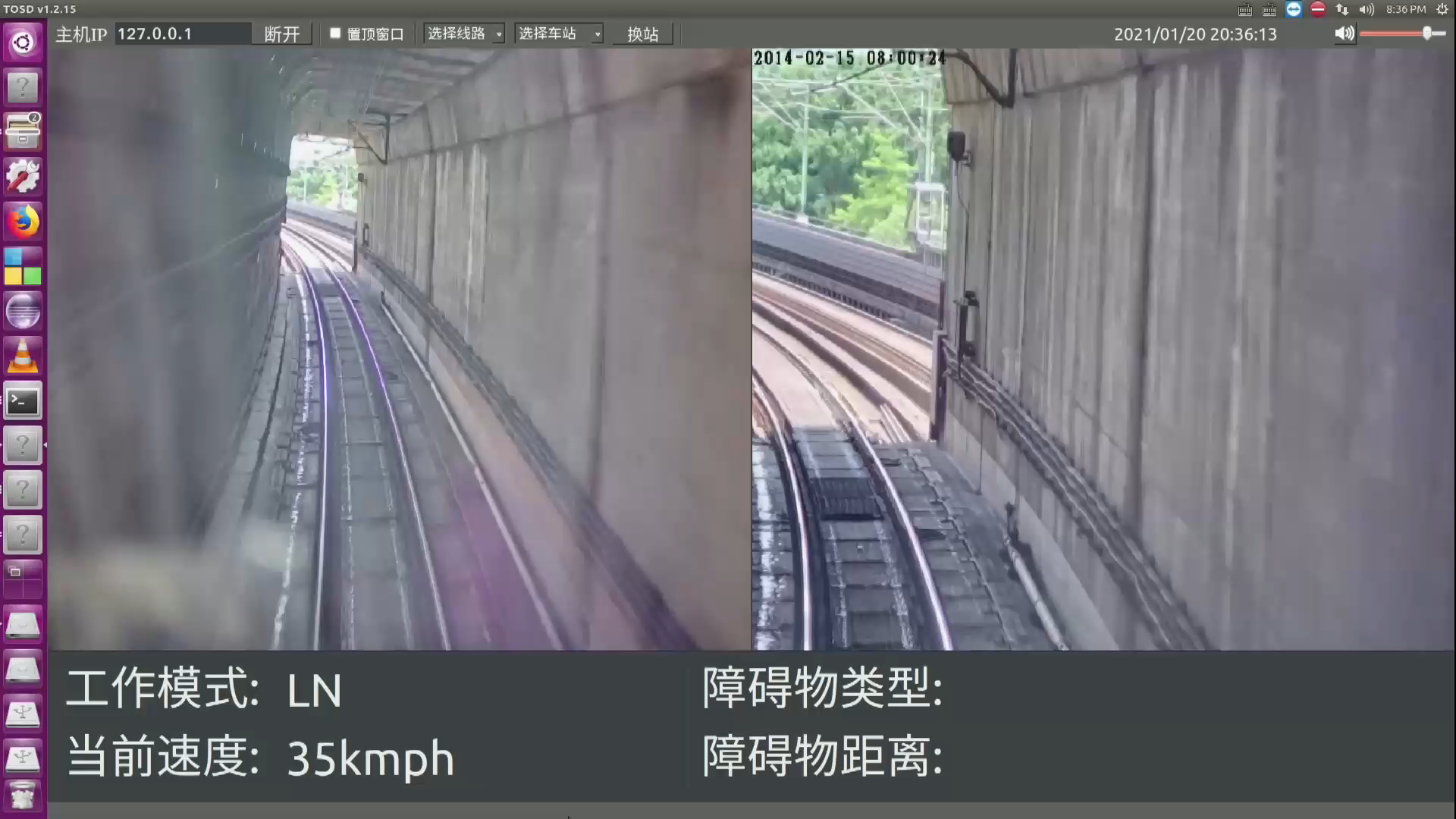
Tunnel lighting transitions, curves, gradients, turnouts, rain, snow and fog continually change visibility and target appearance.
Configure target recognition, alerts and vehicle-interface strategies according to operating rules and the protection boundaries of existing systems.
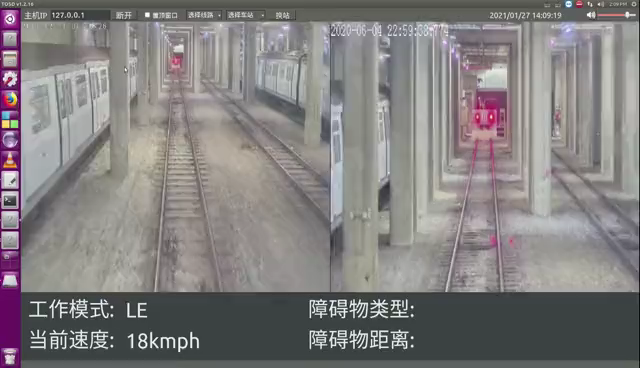
Continuously perceive intruding objects, people in platform track areas, and buffer stops on sidings or terminal tracks.
Provide independent perception of trains ahead, signals, buffer stops and track objects when signaling or vehicle systems are degraded.
Support train-ahead protection and detection of people and small objects during commissioning, reducing the burden of manual lookout.
Cover depot doors, buffer stops, vehicles ahead, trackside personnel and abnormal obstacles along shunting paths.
Multiple sensors collect environmental data on a shared time base. The main computer performs fused perception and risk assessment, then outputs results to the driver or vehicle system.
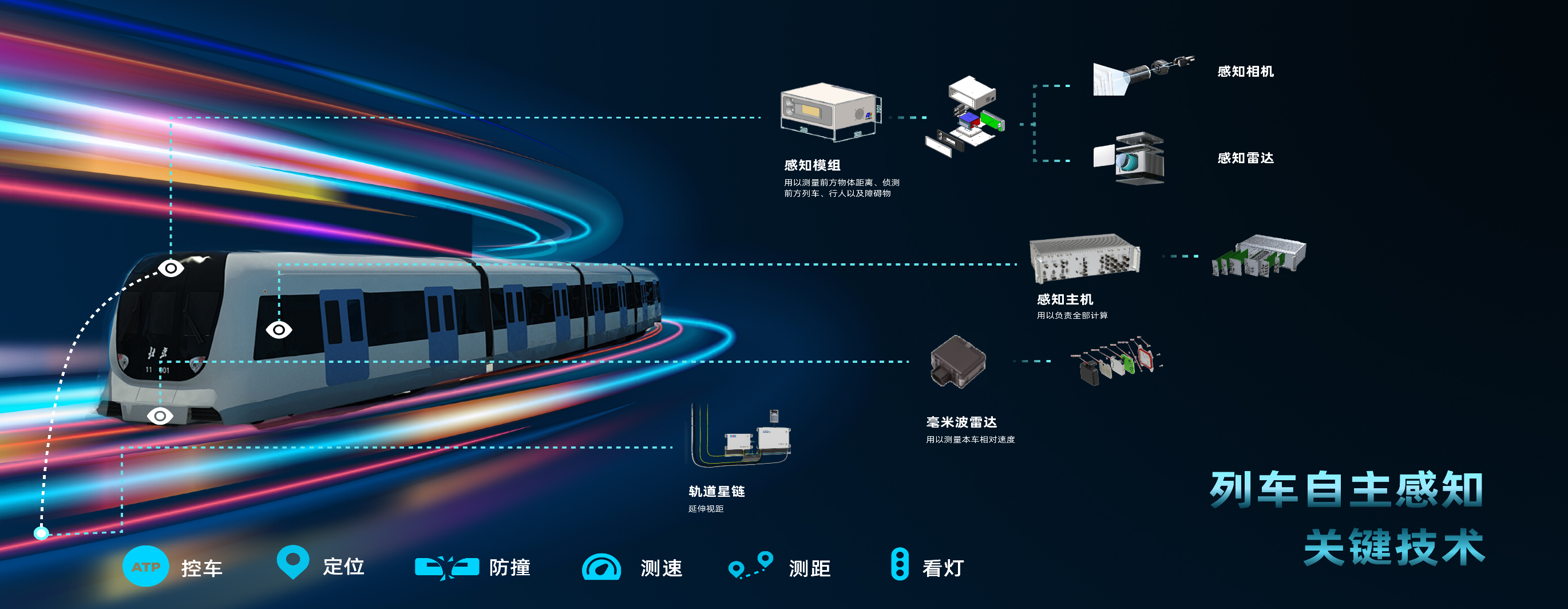
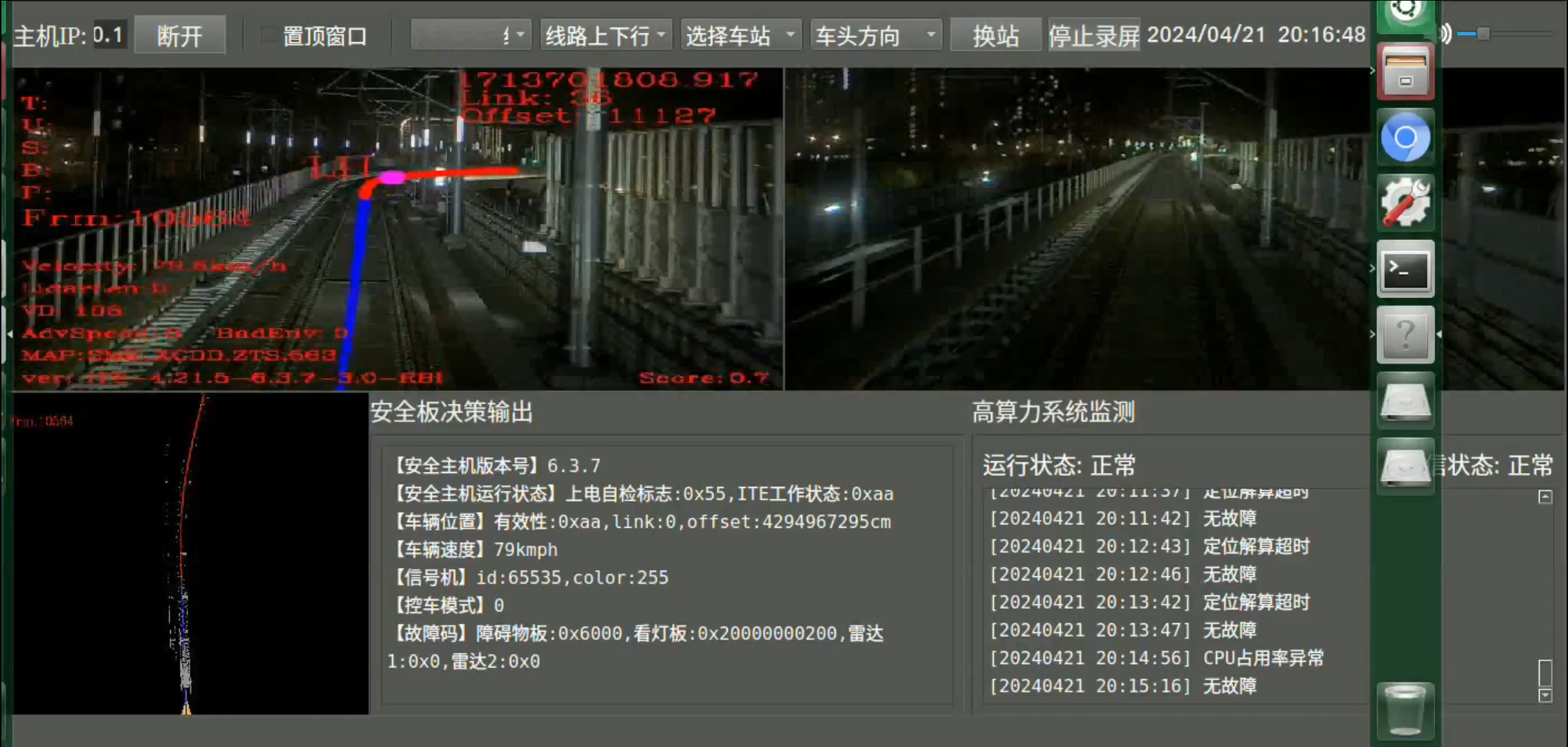
Match point clouds to a high-definition map for real-time autonomous train positioning and a spatial reference for filtering targets along the route.
Identify trains, people, buffer stops and foreign objects entering the safety clearance along the train's potential path.
Recognize red, yellow, green and other signal aspects during mainline operation or shunting to support driving and protection logic.
Calculate risk from vehicle speed, braking performance and obstacle distance, then output warnings and intervention information through the DMI, vehicle bus or braking interface.
These are representative values under the documented test conditions; distance values correspond to straight track. Actual performance depends on vehicle type, line, weather, installation and system configuration. Project specifications and acceptance results prevail.
Using train position, track geometry and safety clearance, the system filters targets relevant to the train from complex point clouds and images, reducing interference from adjacent-line vehicles and objects outside the clearance.
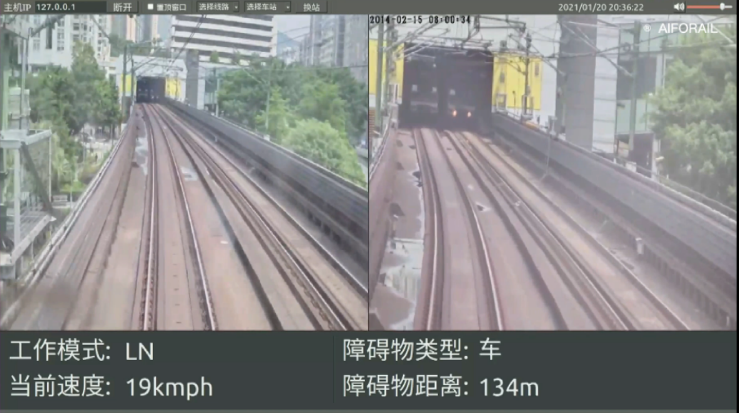
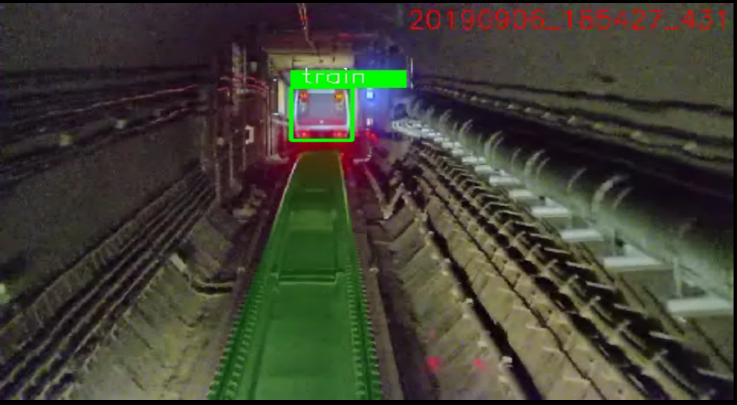
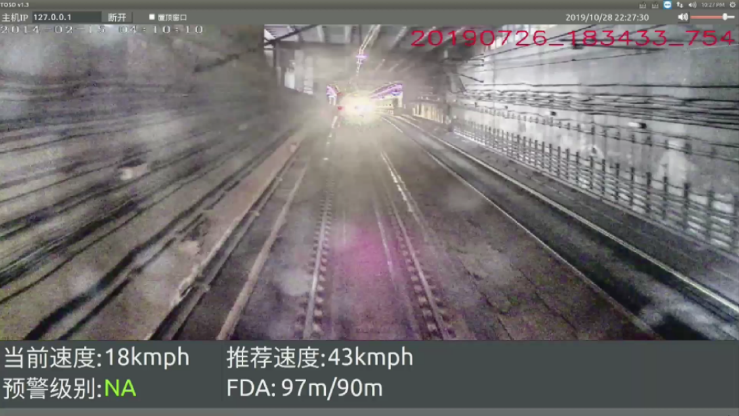
Use a 3D high-definition map for autonomous positioning, obstacle detection and signal recognition on mapped lines.
Line position reference · Path-associated detectionProvide forward obstacle detection before an HD map is available, supporting rapid deployment for commissioning, temporary operation and cross-line running.
Reduced mapping prerequisites · Temporary scenario configurationCameras, LiDAR and optional millimeter-wave radar capture the forward environment synchronously.
Determine the train's real-time position, direction and target trajectories on the line.
Distinguish trains, people, buffer stops, signals and other foreign objects.
Determine whether a target enters the protected area based on the line and travel path.
Combine speed, distance and vehicle performance to define warning or braking-intervention conditions.
Output results to the driver or vehicle interface and retain operational data for review.
Equipment quantity, installation positions, interfaces and braking coordination must be determined from vehicle space, line conditions and safety requirements.
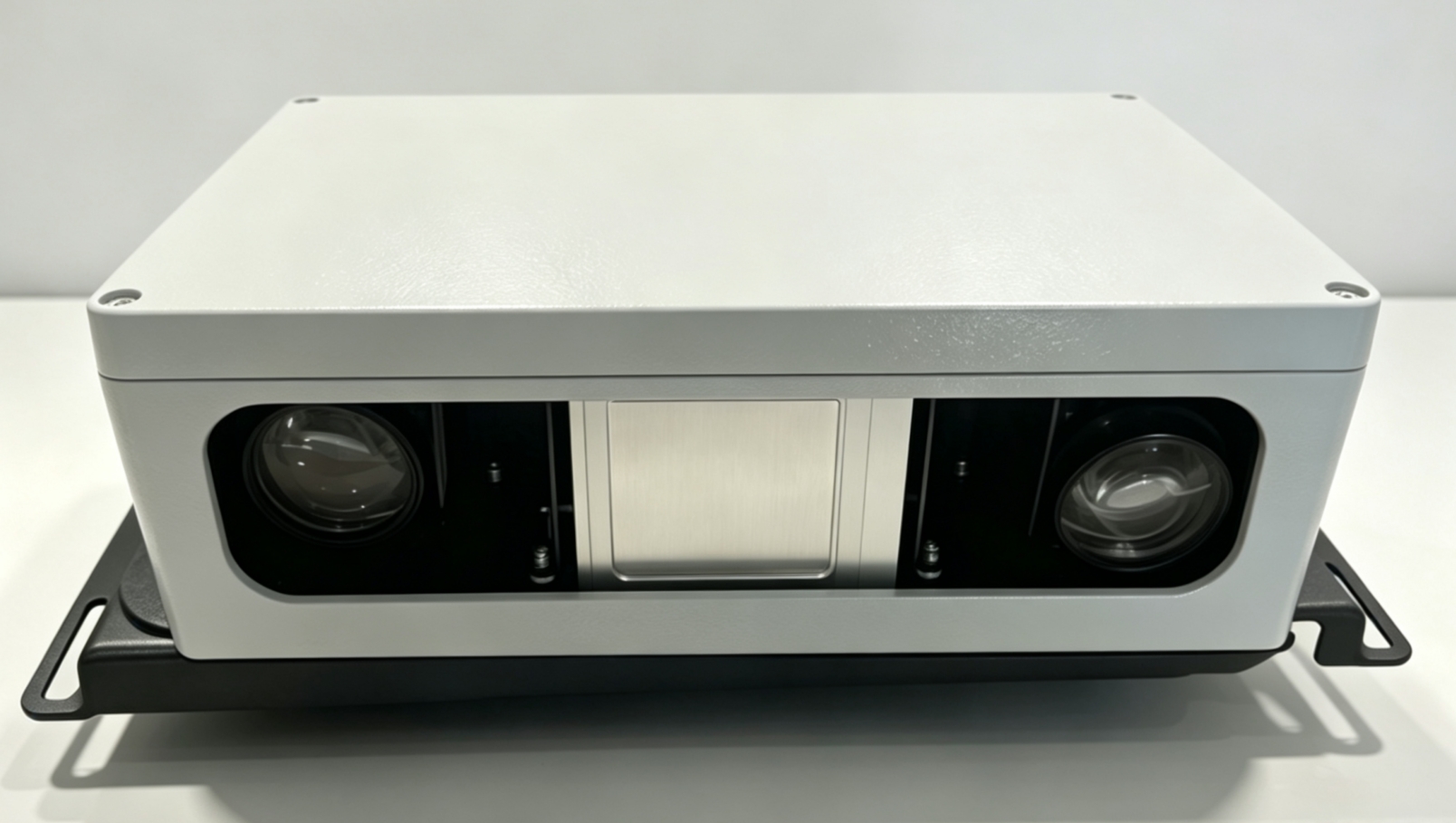
Industrial cameras, LiDAR and optional millimeter-wave radar configured to the vehicle and available installation space.
View Product Details ↗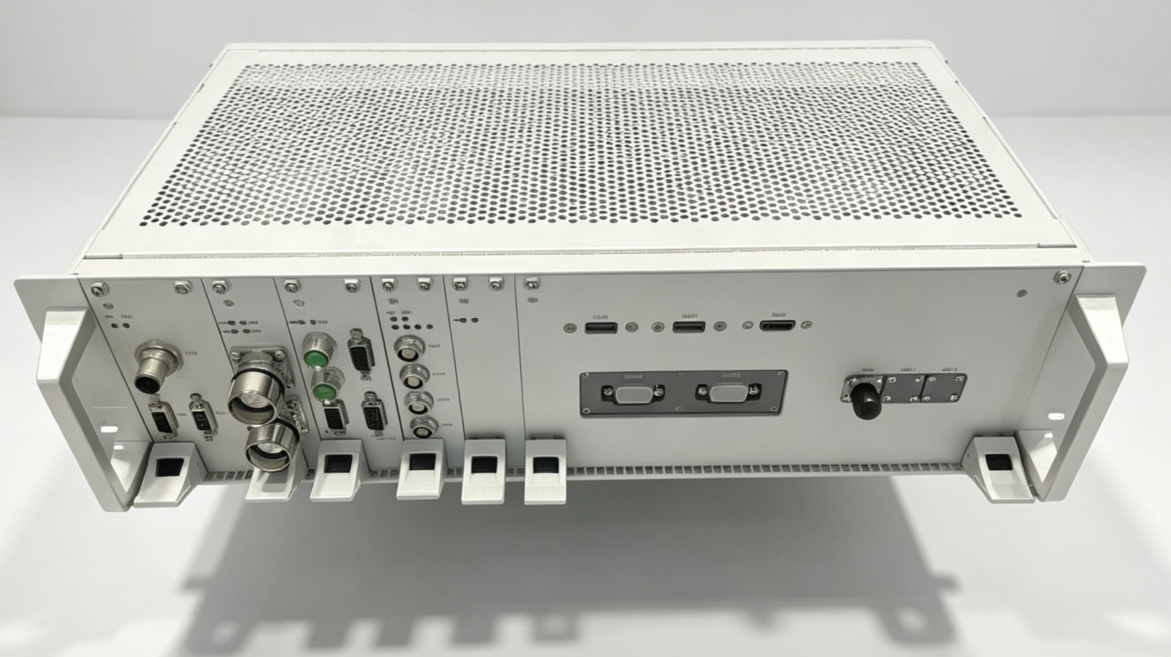
Performs sensor synchronization, fused perception, autonomous positioning, target recognition and risk calculation.
View Product Details ↗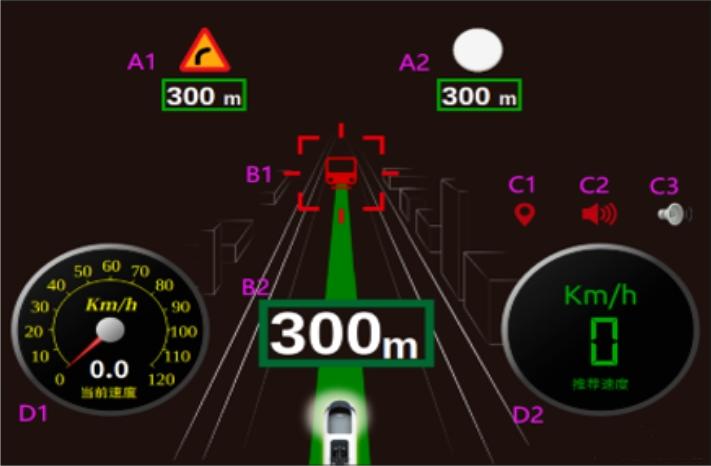
Presents target type, distance, speed, line status and graded warnings to the driver.
View Product Details ↗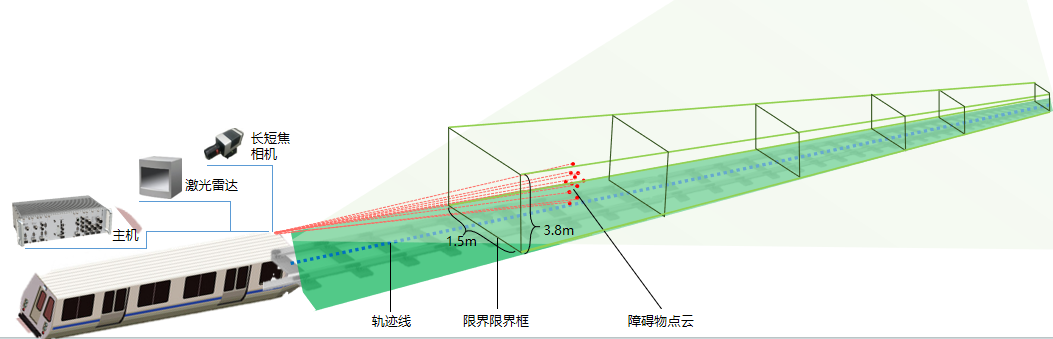
MVB/TRDP bus, signaling network, audible/visual alerts and braking interfaces can be configured to vehicle conditions.
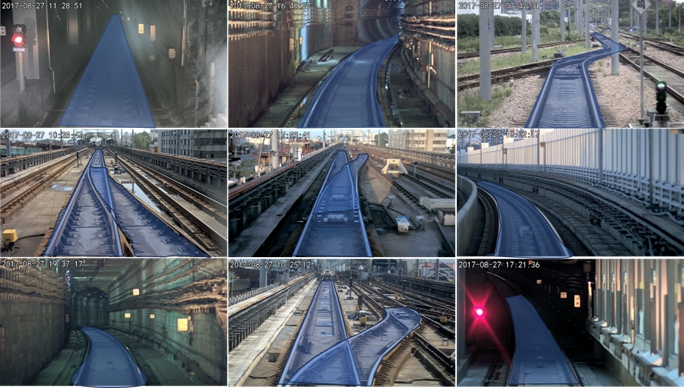
Documentation shows continued data accumulation in tunnels, viaducts, surface sections, curves, gradients and turnouts, with validation under lighting transitions, backlight, rain and snow.
The following are representative line applications from the available materials. Actual project scope is subject to authorized releases and contract terms.
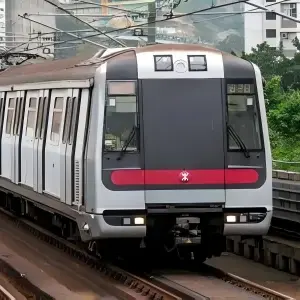
Perception-assisted driving and long-term line validation
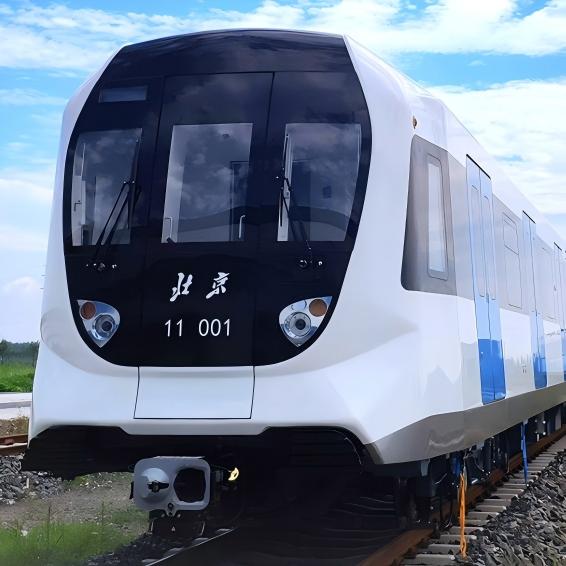
Exploration of autonomous perception and backup operation
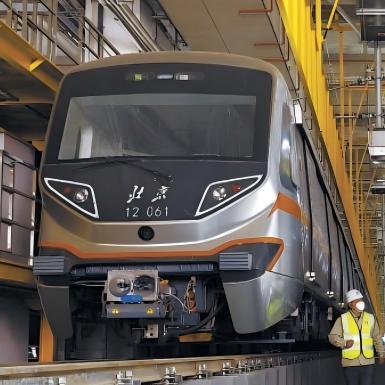
Autonomous train perception and operational safety protection
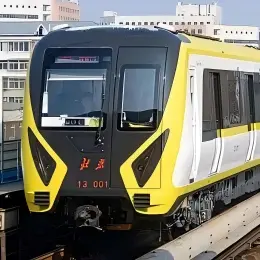
Autonomous positioning, clearance detection and signal recognition
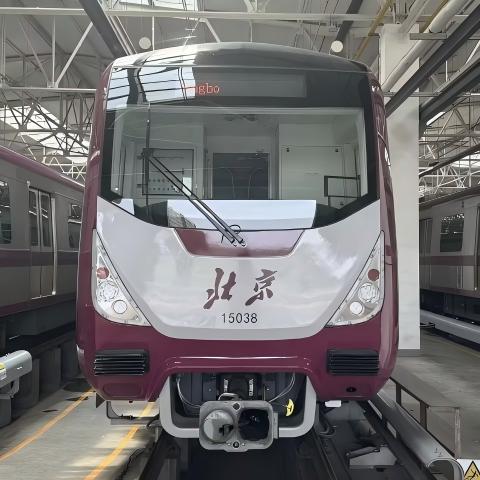
Perception assistance for cross-line operation
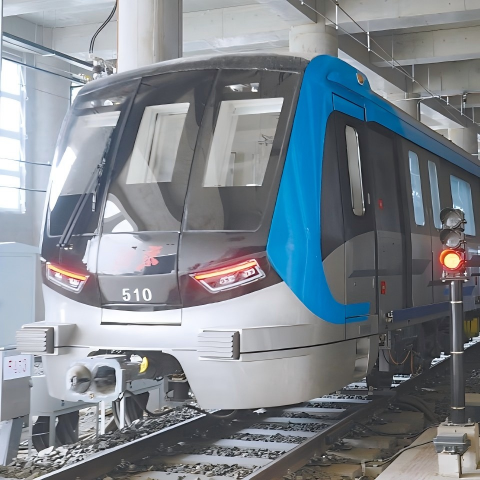
Forward-environment perception and safety protection
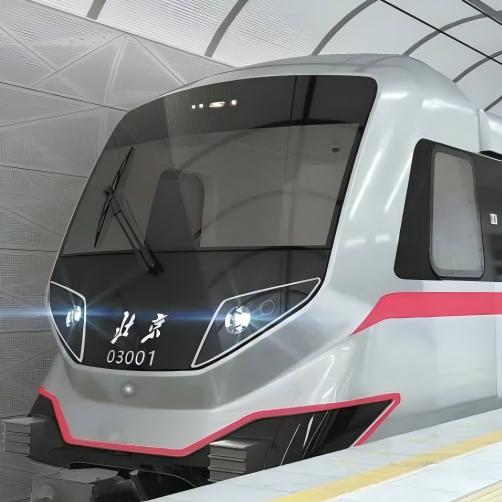
Line-environment perception and safety protection
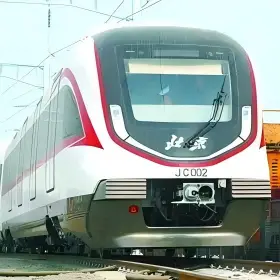
Airport-line environmental perception
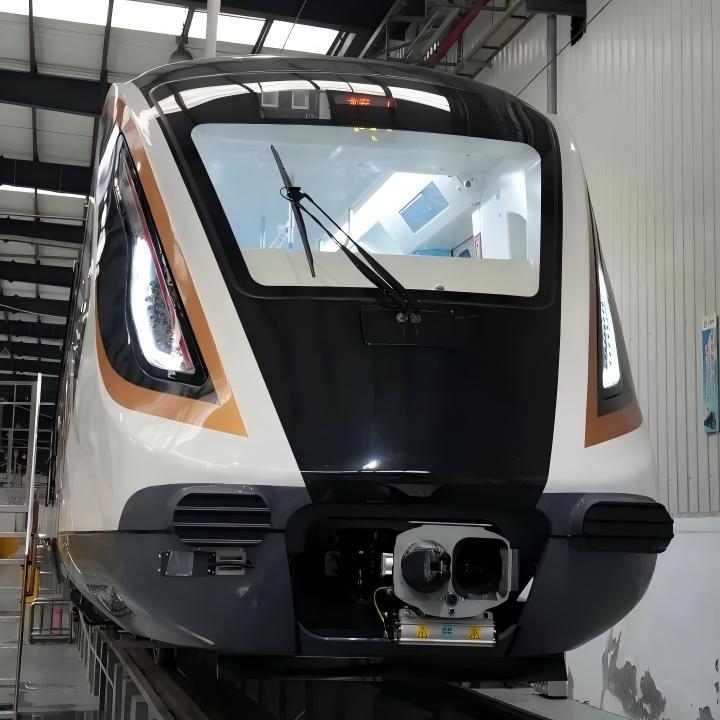
Clearance protection and backup perception for signaling
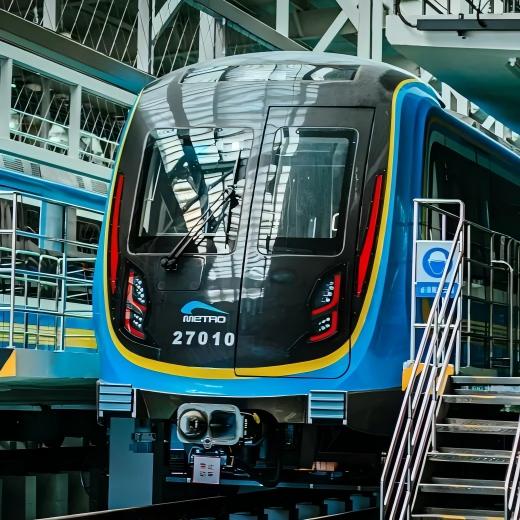
Clearance protection and backup perception for signaling
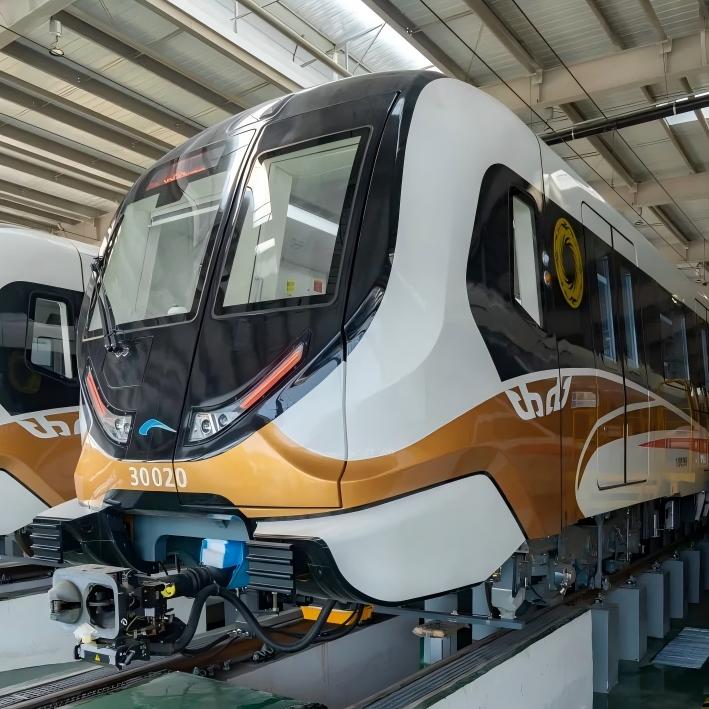
Clearance protection and backup perception for signaling
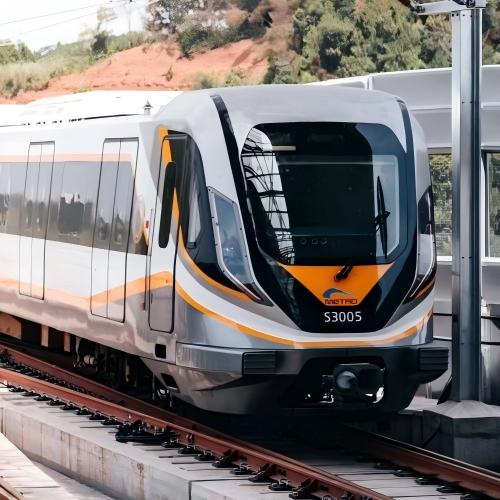
Autonomous perception and safety protection for suburban rail
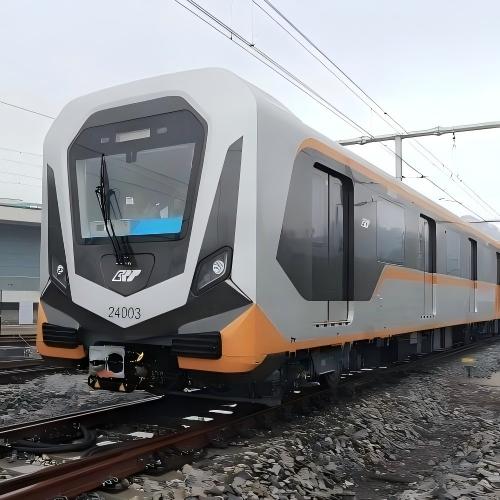
Line-environment perception and safety protection
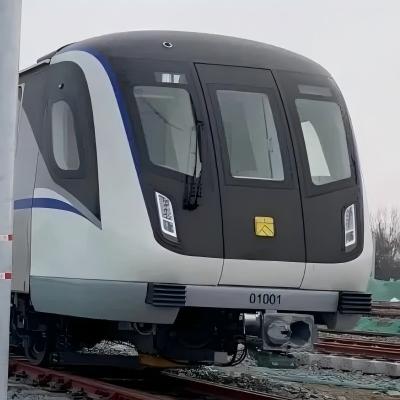
Autonomous train perception and line-scenario validation
From sensor layout and onboard computing to the DMI and vehicle interfaces, deliver a complete solution aligned with the project's safety boundaries.
Last updated